Francis Road upholstery cleaning Leyton insider tips
If you live or work around Francis Road, you'll know upholstered furniture takes a beating in ordinary London life: muddy shoes by the door, coffee on the armrest, pet hair in the weave, and that slow build-up of everyday grime that somehow appears out of nowhere. This guide to Francis Road upholstery cleaning Leyton insider tips is built for people who want practical, local advice rather than vague cleaning cliches. You'll find out what professional upholstery cleaning really involves, how to judge the right method for your fabric, what to avoid, and how to get better results without damaging the furniture you already like very much.
Truth be told, upholstery is one of those things people leave until it looks obviously tired. By then, the fabric can hold odours, oils, allergens, and stubborn spots that are harder to shift. The good news? A little know-how goes a long way. A lot, actually.
Table of Contents
- Why Francis Road upholstery cleaning Leyton insider tips matters
- How Francis Road upholstery cleaning Leyton insider tips works
- Key benefits and practical advantages
- Who this is for and when it makes sense
- Step-by-step guidance
- Expert tips for better results
- Common mistakes to avoid
- Tools, resources and recommendations
- Law, compliance, standards, or best practice
- Options, methods, or comparison table
- Case study or real-world example
- Practical checklist
- Conclusion
- Frequently asked questions
Why Francis Road upholstery cleaning Leyton insider tips Matters
Francis Road has that lively, lived-in feel that makes a neighbourhood charming, but it also means interiors collect the normal signs of daily use. Upholstery absorbs more than people think. Body oils, dust, food crumbs, pet dander, spilled drinks, and outside dirt all work their way into fabric fibres. Left alone, this can dull colour, create lingering smells, and make a room feel less fresh even when everything else looks tidy.
For many homes, the sofa or favourite chair is not just furniture; it's the place everyone ends up. The one with the best seat. The one where people eat "just this once." That's why upholstery cleaning in Leyton is not only about appearance. It's about comfort, hygiene, and helping furniture last longer before you need to replace it.
There's also a practical side. A careful cleaning can make a room feel more welcoming in minutes. If you're preparing for guests, letting a property, or just trying to reclaim the look of a well-used sofa, the difference is often immediate. Not perfect-movie-set perfect. Better than that. Real-life fresh.
And if your furniture is paired with carpets, curtains, or rugs, the whole room can benefit from a more coordinated refresh. In that sense, upholstery care sits neatly alongside services such as sofa cleaning, curtain cleaning, and rug cleaning.
How Francis Road upholstery cleaning Leyton insider tips Works
Good upholstery cleaning starts long before any water or solution touches the fabric. The process usually begins with identification: what material is the item made from, how heavily is it soiled, and are there any risks such as fading, shrinking, or dye transfer? That first judgment matters more than most people realise.
In practice, upholstery cleaning tends to follow a few common stages:
- Inspection - The cleaner checks the fabric type, seams, labels, wear points, and visible stains. A careful technician will test a small, hidden area first.
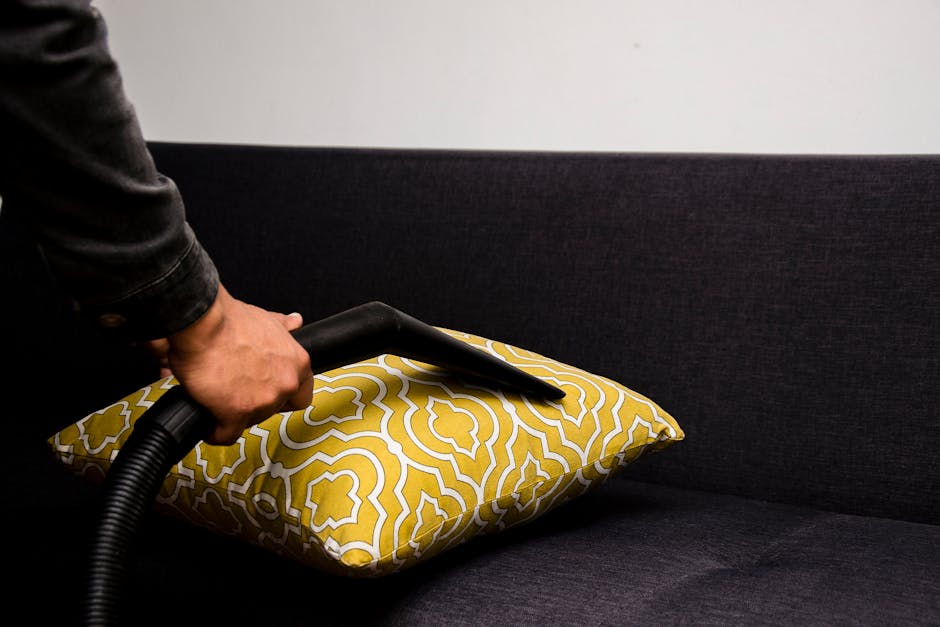
- Dry soil removal - Loose dirt, dust, crumbs, and pet hair are removed with specialist vacuuming or agitation tools.
- Pre-treatment - Stains and greasy areas are treated with the right solution for the fabric and soil type.
- Primary cleaning - Depending on the fabric, this may involve hot water extraction, low-moisture cleaning, foam, or a controlled dry method.
- Detail work - Edges, buttons, piping, and armrests are cleaned carefully because those areas often hold the worst build-up.
- Rinse and finish - Where appropriate, residues are removed and fibres are groomed to help the fabric dry evenly and look better.
The phrase "insider tips" really means understanding the method behind the result. For example, not every piece of upholstery should be treated the same way. A robust synthetic sofa can often tolerate more moisture than a delicate natural fibre. Velvet needs a different touch from a hard-wearing office chair. You can't just go at it and hope for the best. Well, you can, but the sofa may object.
If you want a broader service overview as well, the dedicated upholstery cleaning page is a useful place to start when comparing what is included.
Key Benefits and Practical Advantages
The most obvious benefit is visual: cleaned upholstery usually looks brighter, flatter, and less tired. But the practical gains are often more valuable.
- Improved freshness - Odours from food, pets, smoke, and general use are easier to reduce when they have not been left to settle for years.
- Better comfort - Clean fibres feel more pleasant to sit on, especially in high-use spaces like lounges and reception rooms.
- Longer furniture life - Removing abrasive grit and greasy residue can reduce premature wear.
- Healthier indoor environment - Upholstery can trap dust and allergens, so a proper clean may make a room feel less stuffy.
- Stronger first impressions - A clean sofa or waiting-room chair makes a space feel cared for, which matters whether it's a family home or a business setting.
There's a less obvious advantage too: once upholstery is properly cleaned, it is easier to keep on top of. Everyday vacuuming and quicker spot treatment become more effective because the fabric is no longer carrying the same level of built-up residue.
If you are comparing different clean-up priorities, it can help to think of upholstery care as part of a wider fabric maintenance plan, alongside stain removal and pet stain odour removal where relevant.
Who This Is For and When It Makes Sense
This kind of cleaning is useful for a lot more people than you might expect.
Homeowners and tenants
If your sofa or armchair has years of family life in it, a professional clean can be a sensible reset before you decide whether to keep, sell, or replace it. Tenants moving out often ask about upholstery because visible marks, pet smells, or neglected cushions can make a home feel less presentable, even when the rest is spotless.
Landlords and letting agents
Furnished properties can look tired quickly if upholstery is ignored. In a rental context, a clean sofa or dining chair set helps maintain a better standard between occupancies. It is a straightforward maintenance job that can prevent a bigger headache later.
Pet owners
Pets are wonderful. Upholstery, less so. Fur, dander, paw marks, and the occasional accident can settle deep into fabric. If a room has a persistent smell after you've already cleaned surfaces, the upholstery is often part of the story.
Families with children
Sticky hands, snack crumbs, and surprise spills are just part of life. A lot of family homes don't need a dramatic intervention; they need a sensible, regular refresh to stay on top of everyday mess.
Small offices and local businesses
Waiting areas, meeting chairs, and soft seating make a subtle impression. A dull or stained chair can drag the whole room down. For businesses, this can sit alongside commercial carpet cleaning as part of a broader presentation and hygiene routine.
When does it make sense? Usually when the fabric looks flattened, smells a bit stale, or has marks you cannot remove with gentle home care. Sometimes the answer is sooner than that. If you have to keep fluffing the cushion covers every time somebody sits down, that's a clue.
Step-by-Step Guidance
If you want a cleaner outcome, a bit of preparation matters. Here's the process that tends to work best.
- Check the care label
Look for fibre guidance and any cleaning restrictions. This is not the sexy part, but it avoids avoidable damage. If the label is missing, treat the item cautiously. - Identify the problem areas
Pinpoint which cushions, arms, headrests, or seams need special attention. It helps to know whether you are dealing with general dullness, a food spill, pet odour, or a single stubborn stain. - Vacuum thoroughly first
Dry debris should be removed before any wet cleaning. If not, you can turn loose grit into a sort of muddy paste. Not ideal. - Test hidden areas
A discreet patch test can reveal colour bleeding or pile distortion before the cleaner commits to the whole piece. - Apply the right pre-treatment
Grease, tannin stains, and protein-based marks all behave differently. A one-solution-fits-all approach is usually the wrong approach. - Use controlled cleaning
Depending on the upholstery, choose low-moisture or extraction-style cleaning with appropriate pressure and heat. - Dry evenly
Airflow matters. Open windows if appropriate, use gentle ventilation, and avoid sitting on damp fabric too soon. - Review the result
Once dry, check for remaining marks, shadowing, or rough patches. Some stains need a second targeted treatment, not a heavier overall wash.
A useful local-minded tip: if your home is in a busy stretch near Francis Road where doors open often and dust travels in, schedule cleaning for a time when you can keep the room undisturbed afterwards. Give the fabric a proper drying window. It makes a difference.
Expert Tips for Better Results
These are the small things that separate a decent clean from a really good one.
- Act on fresh spills quickly, but gently. Blot, don't scrub. Scrubbing pushes the spill deeper and roughs up the fibres.
- Work from the outside of a stain inward. This helps stop the mark spreading into a bigger halo.
- Match the method to the fabric. Cotton, wool, velvet, linen blends, and synthetics all behave differently. The method matters more than the enthusiasm.
- Do not over-wet cushions. Too much moisture can leave long drying times, water marks, or a stale smell.
- Pay attention to the hidden zones. The back edges, beneath cushions, and around piping often hold the dirtiest build-up.
- Refresh the surrounding room too. Cleaning upholstery while ignoring nearby rugs or curtains can make the furniture look good but the room still feel dusty.
In our experience, the best results come from a calm, staged approach. Not frantic. Not soaking everything in one go. Calm wins here.
And if you are dealing with a really awkward mark, a proper stain removal treatment is often better than repeated DIY experiments that just make the patch larger and more noticeable.
Common Mistakes to Avoid
Let's face it, most upholstery damage happens because people mean well. That's the annoying part.
- Using the wrong cleaner - Household cleaners can be too harsh or too wet for upholstery. What works on a kitchen surface may not work on a sofa.
- Skipping the test patch - This is where many people come unstuck. If the colour shifts, the patch test should tell you before the whole item is affected.
- Rubbing stains aggressively - It feels productive, but usually makes the problem worse.
- Cleaning only the visible spot - Spot-cleaning one patch can leave a ring or difference in tone. Sometimes a broader blend is needed.
- Using too much water - A damp sofa that smells odd the next day is not a win.
- Ignoring odour sources - If there's a smell, check for hidden residue, pet accidents, or moisture trapped inside cushions.
- Putting covers back before fully dry - This can trap moisture and encourage mustiness.
A slightly less obvious mistake is expecting every stain to vanish completely. Some marks, especially old dye transfer or deeply set wear, may improve dramatically but not disappear. Honest advice beats impossible promises every time.
Tools, Resources and Recommendations
You do not need a van full of equipment to keep upholstery in good shape, but a few practical tools help a lot.
| Tool or item | What it helps with | Why it matters |
|---|---|---|
| Upholstery attachment for vacuuming | Dust, crumbs, loose hair | Removes dry soil before it embeds further |
| Microfibre cloths | Gentle blotting and moisture control | Useful for quick spill response |
| Soft brush | Loosening surface lint | Helps lift particles without damaging fibres |
| Fabric-safe spot treatment | Fresh stains and localised marks | More reliable than random household cleaners |
| Good ventilation | Drying after cleaning | Speeds up drying and reduces lingering dampness |
When you are comparing professional help, look for clear explanations rather than big promises. A reputable cleaner should be able to talk through fabric types, stain risks, drying times, and what the service includes. If they cannot explain the process in plain English, that's a sign to pause.
For broader household care, it can help to coordinate upholstery with carpet cleaning, especially in living rooms where dirt moves from floor to sofa and back again.
Law, Compliance, Standards, or Best Practice
Upholstery cleaning in the UK is not usually about heavy regulation in the way some other trades are, but there are still important duties and standards worth paying attention to.
First, any cleaner working in a home or business should follow sensible health and safety practice, use equipment responsibly, and handle chemicals carefully. That means risk awareness, proper dilution, safe storage, and avoiding unnecessary exposure to moisture or slippery floors. Good practice also includes clear communication about fabric suitability and drying expectations.
For customers, it is reasonable to expect:
- Clear service descriptions so you know what is and is not included.
- Transparent pricing and quotes rather than vague estimates that change later.
- Insurance and safety awareness in case something unexpected happens.
- Respect for the property, including careful movement of items and neat working habits.
Where customer-facing policies matter, it is sensible to review the company's published pages on health and safety policy, insurance and safety, pricing and quotes, and terms and conditions. These are not just paperwork pages. They tell you how the business thinks about accountability, expectations, and customer care.
It is also sensible to understand how payments are handled and what privacy practices apply. That sounds dull, but it matters when you book any home service. A service provider should be able to explain payment security and data handling without making it feel awkward. If they can't, hmm, that says something.
Options, Methods, or Comparison Table
There is no single "best" upholstery cleaning method. The right choice depends on the fabric, the level of soiling, and how quickly you need the item back in use.
| Method | Best for | Pros | Things to watch |
|---|---|---|---|
| Hot water extraction | Many synthetic fabrics and deeper soil | Can remove embedded dirt well and leave a fresher finish | May not suit delicate fabrics; drying time matters |
| Low-moisture cleaning | General refreshes and quicker turnaround | Faster drying, less water use | May need targeted stain work for heavy marks |
| Dry or near-dry methods | Delicate items or moisture-sensitive fabric | Lower risk of soaking and shrinkage | Not always enough for deep staining |
| Hand spot treatment | Small isolated marks | Useful for localised issues | Can leave spotting or rings if overdone |
If your upholstery also lives alongside dining chairs, soft stools, or office seating, a mixed approach can make sense. One set may need a light refresh, another a deeper clean. That is normal. No need to treat every chair like a crisis.
Case Study or Real-World Example
Here's a realistic example from the sort of job many local homes need. A family on or near Francis Road had a well-used fabric sofa in a front room that had picked up a faded look, a couple of drink marks, and that slightly stale smell that you only notice once you stop pretending not to notice it.
The first step was a careful inspection. The fabric type was checked, the worst areas were mapped out, and a small test patch was used before any full clean. The arms and headrests were clearly dirtier than the rest, which is very common because people lean there without thinking.
After dry vacuuming, targeted pre-treatment was used on the stains, then the sofa was cleaned with a controlled moisture approach to avoid over-wetting the cushions. The result was not a magical brand-new sofa. It was better than that. The colour looked more even, the cushions felt cleaner to the touch, and the room lost that slightly tired smell that had been hanging around for months.
The most useful part, though, was aftercare. The family were advised to let the sofa dry fully, vacuum it regularly, and deal with future spills quickly rather than waiting until the marks became part of the furniture. That one habit change can make a surprisingly big difference.
Practical Checklist
Use this quick checklist before and after upholstery cleaning.
- Check the care label or fabric guidance.
- Vacuum the furniture thoroughly before any wet treatment.
- Identify stains, odours, and high-wear areas.
- Test a hidden area first if there is any uncertainty.
- Use a fabric-safe cleaner matched to the material.
- Keep moisture controlled, not excessive.
- Allow full drying before use.
- Ventilate the room where possible.
- Review nearby rugs, curtains, or carpets if the whole room feels tired.
- Choose a provider who explains methods clearly and offers useful advice.
Expert summary: The best upholstery cleaning is careful, fabric-aware, and honest about results. You want a method that suits the material, a technician who knows when to stop, and a drying plan that prevents that damp-sofa feeling nobody wants.
If you are ready to compare service details or want a broader look at what the work involves, the page for upholstery cleaning is a sensible starting point, and you can also review about us if you want a better sense of the company's approach.
Get a free quote today and see how much you can save.
Conclusion
Francis Road upholstery cleaning in Leyton is really about looking after the furniture that carries the rhythm of daily life. The right cleaning approach can improve appearance, reduce odours, and keep fabric in better shape for longer. More importantly, it helps a room feel cared for again. That matters more than people admit.
The insider tip, if you want it in one line, is this: match the method to the fabric, treat stains quickly, and do not rush the drying. Simple advice, yes, but it's the kind that saves money and avoids regret.
And honestly, there is something satisfying about seeing a sofa come back to life. Not show-home perfect. Just clean, comfortable, and ready for another few months of real use. That's the good stuff.
Frequently Asked Questions
How often should upholstery be cleaned in a Leyton home?
It depends on use, pets, children, and the fabric type. Busy family sofas often need attention more regularly than guest-room chairs. A general refresh every so often helps, but visible soil or odour is the real signal.
Can upholstery cleaning remove old stains?
Sometimes, yes. Older stains are harder because they may have bonded with the fibres or been altered by previous DIY attempts. Good treatment can still improve them, but complete removal is not always realistic.
Is steam cleaning safe for all upholstery?
No. Steam or hot water extraction can work well for some fabrics, but delicate materials may need a lower-moisture method. Always check the fabric care instructions first.
What should I do before a professional cleaner arrives?
Clear small items from the area, vacuum loose debris if you can, and point out any stains, pet accidents, or delicate trims. That helps the cleaner focus on the right areas quickly.
How long does upholstery take to dry?
Drying time varies with fabric, method, room temperature, and ventilation. A lighter clean may dry faster, while deeper cleaning naturally takes longer. Good airflow helps a lot.
Will upholstery cleaning get rid of pet smells?
It can help significantly if the odour is in the fabric or surface padding, especially with the right pre-treatment. Deeper contamination may need a more targeted odour approach.
Can I clean velvet or wool upholstery myself?
You can do light care such as vacuuming and gentle spot testing, but these fabrics can be temperamental. If you are unsure, a cautious professional approach is often safer.
What is the biggest mistake people make with sofa cleaning?
Using too much water or the wrong cleaner is a common one. Another is scrubbing aggressively, which usually spreads the stain or damages the pile.
Is upholstery cleaning worth it if the sofa looks only slightly dull?
Usually, yes. Once upholstery starts to look flat or dusty, cleaning can restore freshness before soil becomes heavily embedded. It is easier to maintain than to rescue something badly neglected.
Do I need upholstery cleaning if I already have carpet cleaning done?
Often, yes. Carpets and upholstery collect dirt differently. A room can have clean floors and still feel tired if the sofa or chairs are holding onto grime and odours.
How do I know whether a cleaner is trustworthy?
Look for clear explanations, realistic promises, straightforward pricing, and sensible care around safety and fabric types. A trustworthy cleaner will tell you what can and cannot be achieved without over-selling the result.
What if my upholstery has both stains and general dirt?
That is very common. The best approach is usually a full clean with targeted stain treatment, rather than attacking only the obvious mark. Otherwise the rest of the fabric can look uneven.
If you want a cleaner, fresher home without the guesswork, start with the right information and a method that respects the fabric. That's the real insider tip. Simple, steady, and surprisingly effective.