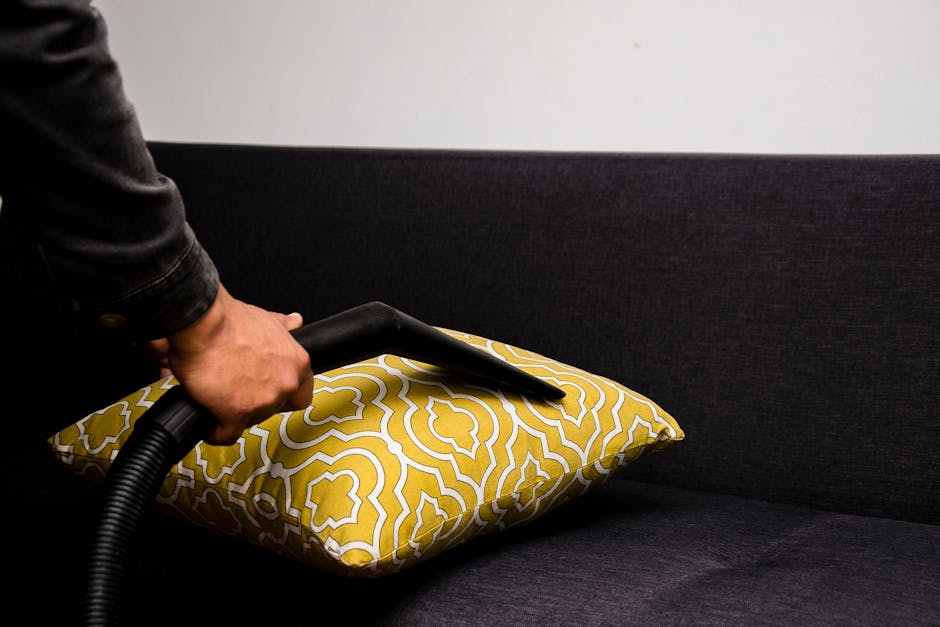
What to know about sofa cleaning near Leyton Midland Road station
If you live, work, or commute around Leyton Midland Road station, sofa cleaning can feel like one of those jobs you keep meaning to sort out and then quietly ignore. Until, of course, the cushions start looking tired, there's a faint smell that won't shift, or a tea spill has done its best to become permanent. This guide on What to know about sofa cleaning near Leyton Midland Road station walks you through what actually matters: how the process works, which methods suit different fabrics, what to expect from a local cleaner, and how to avoid the common mistakes that make a good sofa look worse before it gets better.
Truth be told, upholstery cleaning is one of those services that sounds simple right up until you need it. Fabric type, stain age, drying space, access in a flat or terrace, even the weather on the day can make a difference. So let's make it clear, practical, and a bit less mysterious.
Table of Contents
- Why sofa cleaning near Leyton Midland Road station matters
- How sofa cleaning works
- Key benefits and practical advantages
- Who this is for and when it makes sense
- Step-by-step guidance
- Expert tips for better results
- Common mistakes to avoid
- Tools, resources and recommendations
- Law, compliance, standards, or best practice
- Options, methods, or comparison table
- Case study or real-world example
- Practical checklist
- Conclusion
- Frequently asked questions
Why sofa cleaning near Leyton Midland Road station Matters
Sofas take a beating in a way most furniture never does. They collect dust, skin cells, food crumbs, pet hair, drink marks, and the general day-to-day grime that comes from actually living on them. Near a busy station area, there's also the practical reality of more foot traffic, more coming and going, and often less time to keep on top of cleaning properly. A sofa may look fine on the surface and still hold odour, allergens, and embedded soil deeper in the fibres.
That matters because upholstery is one of the first things people notice when they walk into a room. A clean sofa makes the whole space feel calmer. Not dramatic, just noticeably fresher. And in a smaller London home, where one piece of furniture may do the work of a lounge, guest bed, and family den all at once, a tired sofa can drag down the room more than you'd expect.
There's also a sensible maintenance angle. Regular cleaning can help slow down fabric wear by removing dirt particles that act a bit like fine sandpaper under use. It won't stop ageing, obviously, but it can help a decent sofa stay decent for longer. If you already look after carpets too, pairing upholstery care with professional upholstery cleaning and broader carpet cleaning tends to make the whole home feel more cared for.
Expert summary: sofa cleaning is not just about appearance. It is about fabric care, odour control, and keeping your living space more comfortable for everyday use.
How sofa cleaning works
Most sofa cleaning starts with identification. That sounds basic, but it is the crucial bit. A cleaner needs to know what the fabric is, whether the sofa has a protective finish, and whether any previous cleaning attempts or DIY treatments have left residue behind. Microfibre, cotton blends, linen, velvet, leather, and synthetic weaves all behave differently. One method does not suit all. Wouldn't it be nice if it did? It would. Sadly, furniture has opinions.
From there, the cleaning process usually includes vacuuming, spot treatment, agitation where suitable, extraction or controlled moisture cleaning, and then drying. Depending on the material, a cleaner may use hot water extraction, low-moisture cleaning, dry compound techniques, or specialist stain treatment. For some fabrics, a carefully controlled steam-style process may be appropriate; for others, less water is better.
At a practical level, a good service should aim to clean deeply without soaking the upholstery. Over-wetting is one of the biggest risks because it can lead to slow drying, water marks, distortion, or that awful stale smell that shows up later. The cleaner should also explain any limitations up front. Some stains are removable, some are reduced, and some are simply old enough to have settled in for the long haul.
If your sofa has mixed issues, such as pet odour and a dark drink ring on one cushion, a more targeted approach is usually better than a one-size-fits-all clean. That's where services like sofa cleaning, stain removal, and pet stain and odour removal can be useful as connected options rather than separate problems.
Key benefits and practical advantages
The most obvious benefit is visual. A cleaner sofa simply looks better. But the more meaningful gains are often the ones you notice after a day or two.
- Fresher smell: old odours from spills, pets, cooking, and general use can settle into upholstery.
- Better comfort: fabrics often feel softer and less gritty once embedded dirt is removed.
- Improved room hygiene: professional cleaning removes more debris than routine vacuuming alone.
- Longer fabric life: removing grit and residues can reduce unnecessary wear.
- Better presentation: useful if you are hosting guests, letting a property, or simply want the room to feel sorted.
In London flats, there is another advantage people forget: a sofa that's genuinely clean can make a room feel brighter without changing anything else. No paint, no new cushions, no fuss. Just a cleaner centrepiece.
It also helps if you're dealing with more than one soft furnishing at once. Curtains hold dust, rugs hold dirt, mattresses hold all sorts of things you'd rather not think too hard about. A broader approach can make sense, especially if you're already arranging curtain cleaning, rug cleaning, or mattress cleaning.
Who this is for and when it makes sense
Sofa cleaning near Leyton Midland Road station makes sense for a lot of people, not just those with obvious spills. If you are in any of the following groups, it is probably worth thinking about sooner rather than later:
- Households with children who treat the sofa like a second dining table.
- Pet owners dealing with hair, dander, or the odd accident.
- Renters preparing for inventory checks or end-of-tenancy handovers.
- Homeowners trying to refresh a room without replacing furniture.
- Landlords and letting agents keeping furnished properties presentable.
- Small business owners with waiting areas or customer seating in the local area.
It also makes sense after specific events: a spilled drink, renovation dust settling everywhere, a house guest who stayed longer than expected, or the simple realisation that the sofa has not been professionally cleaned in years. That last one is common, by the way. People are not neglectful; life just gets in the way.
If the sofa still smells musty after opening windows and vacuuming, or if brushing the fabric makes dust lift into the air, that is usually a sign deeper cleaning would help. And if the sofa is one of your main seating pieces, waiting too long is rarely a bargain in the end.
Step-by-step guidance
If you want to understand what a sensible sofa cleaning appointment looks like, here is the usual flow.
- Check the fabric care label. This tells you whether water-based cleaning is suitable, or whether the upholstery needs a more delicate method. If the label is missing or faded, do not guess.
- Clear the area. Move cushions, blankets, side tables, and anything breakable nearby. It saves time and keeps the work tidy.
- Vacuum thoroughly. Loose dust, hair, and crumbs should come off before any moisture is used. Otherwise, you are just making mud with manners.
- Inspect stains and weak spots. A good cleaner will spot areas that need pre-treatment, but it helps if you already know which marks are recent and which have been there a while.
- Test the fabric. Small unseen patches help check for colour bleed or fibre reactions before the full clean begins.
- Apply the correct cleaning method. This might be extraction, low-moisture cleaning, or a specialist treatment for delicate materials.
- Allow proper drying. Airflow matters. Open windows if safe, use heating carefully, and avoid sitting on the sofa until it is genuinely dry.
- Finish with an aftercare check. Look for lingering marks, stiff patches, or areas that may need a second pass once dry.
That last point is easy to skip, but it matters. Some marks only show their true colour after drying. A slightly rough-looking cushion at 2 p.m. may look fine by the evening. A bit annoying, yes, but normal.
Expert tips for better results
Here are the small things that make a bigger difference than most people expect.
- Act fast on spills. Blot, don't scrub. Scrubbing spreads the stain and pushes it deeper.
- Use clean white cloths. Coloured cloths can transfer dye, especially on pale fabric.
- Mind the fill material. Feather-filled cushions, foam cores, and mixed fillings all dry and behave differently.
- Keep a note of old DIY products. Some supermarket sprays leave residues that attract dirt later.
- Think about access. If you live in a top-floor flat near the station, mention stairs, parking, or entry restrictions in advance.
A small but important one: do not assume stronger cleaning means better cleaning. In upholstery, gentler and more controlled is often the cleverer choice. You want clean fabric, not a sofa that smells like a chemistry set for three days.
For a full-home refresh, some customers pair sofa work with steam carpet cleaning where suitable, or book specialist stain removal if one accident has become the main problem. The right order can save time and avoid re-soiling freshly cleaned areas.
Common mistakes to avoid
Most upholstery problems after cleaning come from avoidable mistakes, not bad luck.
- Using too much water. This is the classic one. More moisture does not equal better results.
- Rubbing stains aggressively. That can damage fibres and spread the mark.
- Cleaning without checking the fabric type. A velvet sofa is not the same as a synthetic weave, no matter how similar they look from the other side of the room.
- Ignoring drying time. Sitting too soon can flatten the pile or re-mark the fabric.
- Mixing products. Different cleaners can react badly together and make a stain harder to remove.
- Expecting miracles from old stains. Some can be improved a lot, others only partially.
Another common issue is trying to clean a sofa with the same mindset you would use on a kitchen counter. Upholstery needs a slower, more considered touch. If you rush it, it tends to remind you. Usually by leaving a watermark right where everyone can see it.
Tools, resources and recommendations
You do not need a van full of equipment to look after a sofa between professional cleans. A few sensible basics go a long way.
- Vacuum with upholstery attachment: useful for weekly maintenance and getting crumbs out of seams.
- Soft brush: helps lift dust and hair from fabric texture.
- Clean microfibre cloths: good for blotting fresh spills.
- Plain white towels: helpful when applying gentle pressure to damp areas.
- Fan or good airflow: supports drying after spot treatment or professional cleaning.
For bigger jobs, a professional service is often the safer route, especially if the sofa is expensive, antique, textured, or simply important to your home. If you are comparing providers, it is sensible to look at pricing and quotes, ask what cleaning method they use, and check practical details such as insurance and safety. That kind of due diligence is not overkill; it is just sensible.
You can also learn a lot from how a company describes its approach to who they are, whether they publish clear terms and conditions, and how they handle data and payments through payment and security and privacy policy. Those pages do not clean the sofa, obviously, but they do tell you a lot about how the business works.
Law, compliance, standards, or best practice
For most household sofa cleaning, the main concern is not legal complexity; it is good practice, care, and safety. In the UK, reputable cleaners should work in a way that respects fabric care instructions, uses suitable products, and avoids creating hazards from dampness, slip risk, or residue. That is especially relevant in homes with children, pets, or reduced ventilation.
If a cleaner is operating professionally, it is reasonable to expect sensible risk management, clear communication, and attention to safety around water, electrical equipment, and cleaning agents. You may also want to know how they deal with complaints, because even careful work sometimes needs a follow-up. A transparent complaints procedure is a good sign, not a red flag.
For customers who care about wider responsibility, it can also be useful to see how a company thinks about waste, products, and disposal. A clear recycling and sustainability approach suggests the business is considering more than the immediate clean. None of this replaces proper work on the day, but it does build trust. And trust matters.
Options, methods, or comparison table
Different sofas need different approaches. Here is a practical comparison of common upholstery cleaning methods.
| Method | Best for | Strengths | Watch-outs |
|---|---|---|---|
| Hot water extraction | Synthetic fabrics and robust upholstery | Deep cleaning, good soil removal, effective on general grime | Can over-wet delicate fabrics if used badly |
| Low-moisture cleaning | Fabric that needs faster drying | Quicker turnaround, less saturation, useful in flats | May need more careful stain pre-treatment |
| Dry compound cleaning | Delicate or moisture-sensitive upholstery | Very low water use, safer for some fabrics | Not always ideal for heavy staining |
| Specialist stain treatment | Localised marks, pet accidents, drink spills | Targets one problem area without treating the entire sofa aggressively | Results depend on stain age and fabric type |
If you are unsure which method suits your sofa, ask the cleaner to explain why they recommend it. A decent answer should sound practical, not rehearsed. "Because the fabric is delicate and needs lower moisture," is helpful. "We always do it this way," is less helpful, to be fair.
Case study or real-world example
Picture a typical flat near Leyton Midland Road station. It is a working household, so there is not much spare time. The sofa sits in the main living room, gets used every evening, and has one pale armrest that seems to attract everything: coffee, hand cream, and the occasional biscuit crumb. Nothing dramatic. Just life.
The owner had tried a supermarket spray once or twice, which helped for a day and then left a slightly patchy finish. By the time a professional clean was arranged, the sofa had a dull look to it and a faint stale smell after rainy days with the windows closed. The cleaner inspected the label, identified the fabric type, pre-treated the armrest, cleaned the whole sofa evenly, and allowed proper drying with airflow and careful advice on when to use it again.
The result was not a miracle makeover. That would be fiction. But the sofa looked brighter, the smell was gone, and the room felt more put together. The owner's comment afterward was simple: "It just felt like ours again." That, honestly, is often the real win.
In another scenario, a small office waiting area near the station had upholstered seating that looked fine from a distance but had patchy wear from daily use. For that kind of setting, a service such as commercial carpet cleaning may be paired with upholstery care to keep the space presentable without interrupting the working day too much.
Practical checklist
Before you book or begin sofa cleaning, run through this quick checklist.
- Check the sofa's fabric care label.
- Identify the main issues: dust, stains, smell, pet hair, flattened pile, or all of the above.
- Decide whether you need a full clean or targeted stain treatment.
- Clear the surrounding area for access.
- Ask how long drying should take.
- Confirm whether the cleaner is insured and how they handle safety.
- Ask what method they recommend for your fabric type.
- Make sure fresh spills are blotted before the appointment.
- Plan ventilation for after the clean.
- Keep children and pets away until the sofa is dry.
Quick takeaway: the best sofa cleaning results usually come from matching the method to the fabric, not from the harshest possible treatment.
Conclusion
What to know about sofa cleaning near Leyton Midland Road station comes down to a few simple things: know your fabric, clean before problems settle in, and choose a method that suits the sofa rather than forcing the sofa to suit the method. The right service should leave your furniture looking fresher, smelling better, and feeling more comfortable to live with.
Whether you are dealing with a stubborn stain, general wear, pet odour, or just a sofa that has quietly seen too much, the sensible move is to get clear on the process before you book. A bit of knowledge goes a long way. And once the room feels clean again, you really do notice it every time you sit down with a cup of tea.
Get a free quote today and see how much you can save.
For a straightforward next step, visit the main sofa cleaning service page or get in touch through the site when you are ready to compare options.
Frequently Asked Questions
How often should I book sofa cleaning near Leyton Midland Road station?
For most homes, a professional clean every 12 to 24 months is a sensible starting point, but busy households with pets or young children may need it more often. The real clue is appearance, smell, and how much use the sofa gets. If it looks tired sooner, trust that.
Can all sofa fabrics be steam cleaned?
No. Some fabrics cope well with moisture-based methods, while others are more delicate and need low-moisture or specialist cleaning. The care label is the first thing to check. If the label is missing, a careful inspection is more useful than guessing.
Will sofa cleaning remove old stains completely?
Sometimes yes, sometimes partially, and sometimes not at all. It depends on the stain type, how long it has been there, the fabric, and whether anyone has already tried to treat it. A good cleaner should be honest about likely results before starting.
How long does a sofa take to dry after cleaning?
Drying time varies with the method, room temperature, airflow, and fabric thickness. A lightly cleaned sofa may dry fairly quickly, while a deeper wet clean can take longer. Open windows if safe and avoid sitting on it too early.
Is sofa cleaning worth it for a cheap sofa?
Often yes, if the sofa is still structurally sound and gets used daily. Cleaning can make a budget sofa feel fresher and extend its useful life. If the frame is failing or the fabric is badly damaged, replacement may be more sensible.
What should I do before the cleaner arrives?
Remove cushions, clear nearby furniture if possible, vacuum loose debris, and point out any stains or weak areas. If you have pets, keep them out of the way during the appointment. It sounds basic, but it saves time and helps the work go smoothly.
Can sofa cleaning help with pet smells?
Yes, it can. Pet odour often sits in the fibres and cushion layers, so a proper deep clean can make a noticeable difference. For tougher cases, a specialist pet stain and odour treatment may be the better option.
What's the difference between upholstery cleaning and sofa cleaning?
Upholstery cleaning is the broader term. It covers sofas, chairs, stools, and other fabric-covered furniture. Sofa cleaning is more specific and focuses on the main seating piece most people care about first. In practice, the methods overlap a lot.
Should I choose the cheapest quote?
Not automatically. A very low price may mean a quick surface clean, limited stain treatment, or less suitable equipment. Ask what is included, what method will be used, and whether drying, stain pre-treatment, and fabric checks are part of the service.
Is it safe to clean a sofa myself?
Minor spot cleaning is fine if you use the right method and test carefully first. But DIY can go wrong quickly on delicate fabrics, older stains, or expensive upholstery. If in doubt, a professional clean is usually the safer move.
What if my sofa has a mixed fabric or removable cushions?
Mixed materials need more care because different sections may require different treatment. Removable cushions should usually be cleaned with the same care as the main frame, but drying times can differ. Mention this when booking so the cleaner can plan properly.
How do I know if a sofa cleaner is trustworthy?
Look for clear pricing, sensible explanations, insurance information, and transparent policies. A trustworthy cleaner will explain limitations, not promise miracles. If the answers feel vague or rushed, that is usually worth noting.
For related care around the home, you may also find health and safety information useful if you want reassurance about how work is carried out, especially in family homes or shared spaces.